November's Night Sky Over Tallahassee: Two Meteor Showers, the Darkest Nights of the Month, and a Supermoon on the 24th
The Southern Taurids peak this week, the Leonids follow mid-month, and the Beaver Moon on Nov. 24 is a supermoon. Here is the month's sky, in order.
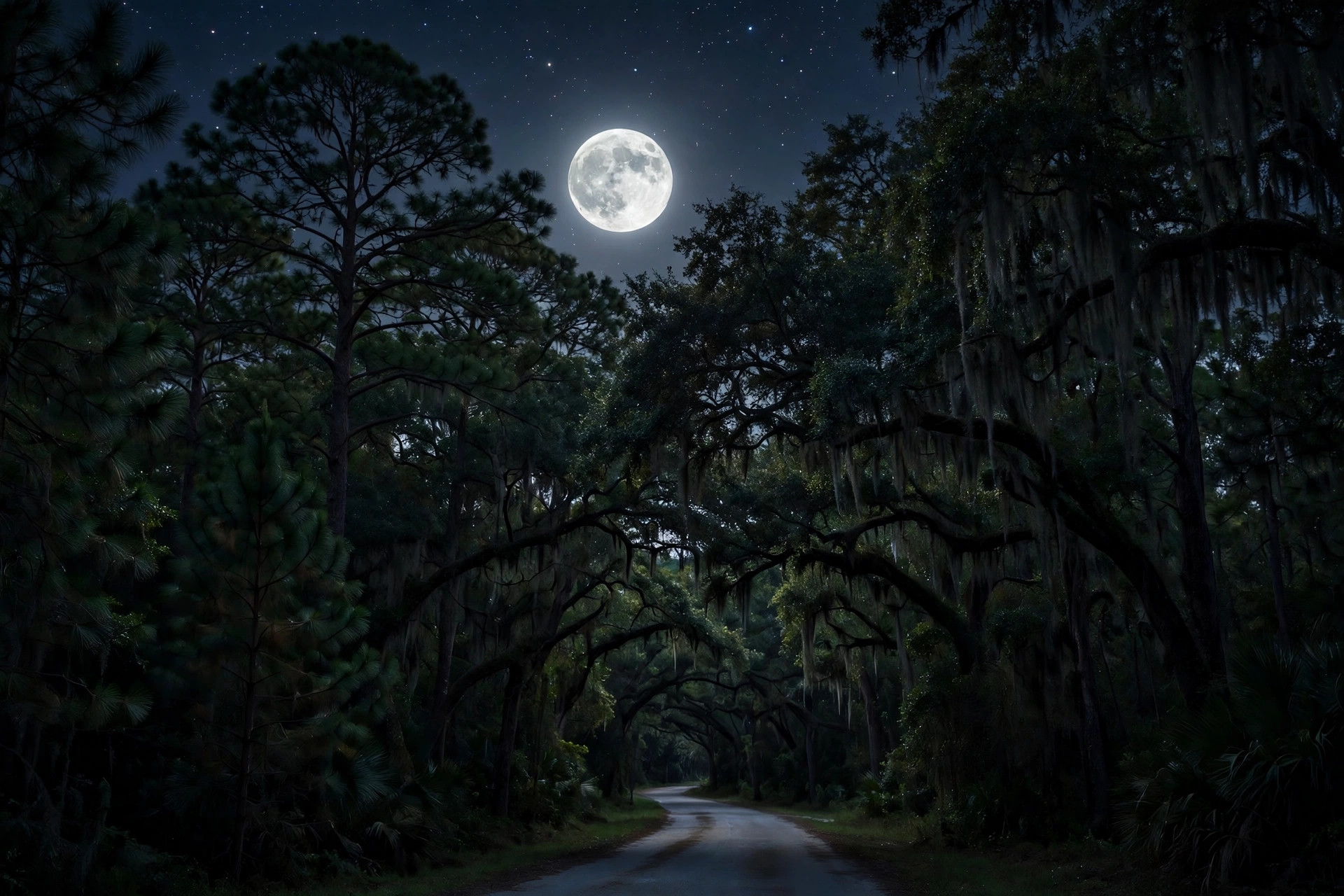
November is the busiest month of the fall sky over Tallahassee, and it starts this week. The Southern Taurid meteor shower peaks on the night of Nov. 4-5, followed by the Northern Taurids on Nov. 11-12. The Taurids are slow, bright meteors — the kind that occasionally produce a fireball — and this week's conditions help: Monday's high reached 80 degrees with only a 14 percent rain chance on the station's weather feed, and the moon is shrinking toward its Nov. 9 new phase.

That new moon on Nov. 9 gives the Big Bend its darkest skies of the month — the best window of November for faint targets like the Andromeda Galaxy and the Orion Nebula, away from city light. On Nov. 16 the planets take a turn: Mars and Jupiter sit about 1.2 degrees apart, close enough to frame together in a single binocular field. The Leonid meteor shower peaks the night of Nov. 17-18 at roughly 10 to 15 meteors per hour under ideal conditions, though a bright first-quarter moon will wash out the fainter meteors this year.
The month saves its headline for the end. The full Beaver Moon on Nov. 24 is a supermoon — a full moon near its closest approach to Earth, at about 360,770 kilometers — appearing up to 14 percent larger and 30 percent brighter than a full moon at its farthest point, with the biggest visual effect at moonrise, when it climbs over Tallahassee's canopy roads and rooftops. It opens a run of three consecutive supermoons. The next night, Nov. 25, Uranus reaches opposition and is visible all night for anyone with binoculars and a dark yard.